

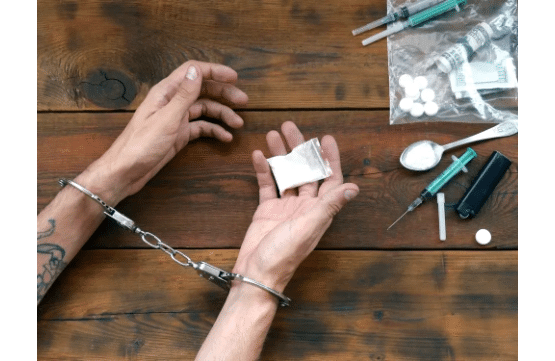
How to Use Prop 36 California to Protect Your Loved Ones from Drug Charges
Prop 36 California offers your loved one a way out of prison and into treatment. Rather than facing incarceration for drug possession, this law creates an opportunity for rehabilitation through court-supervised treatment programs. Families dealing with drug charges need to understand how this critical legislation works and what steps to take immediately.
This guide walks you through everything you need to know about Prop 36, from eligibility requirements to accessing treatment programs, so you can protect your loved one’s future and help them get the care they need.
What is Proposition 36 and How It Changed California Drug Laws
California voters reshaped the state’s approach to drug offenses when they approved a ballot measure that fundamentally altered how prosecutors handle repeat drug possession cases. This legislation reversed course on a decade of more lenient sentencing policies.
Understanding the Homelessness, Drug Addiction, and Theft Reduction Act
On November 5, 2024, California voters passed Proposition 36, formally titled “The Homelessness, Drug Addiction, and Theft Reduction Act”. The measure received overwhelming support, with 68% of voters approving the initiative. Prop 36 california modifies both the Penal Code and Health and Safety Code, creating substantive changes to how the state addresses theft, property damage, and drug-related crimes.
The legislation targets recidivist offenders through enhanced penalties while simultaneously offering treatment pathways for those struggling with addiction. Prosecutors gained new tools to charge certain drug and theft crimes as felonies rather than misdemeanors, depending on an individual’s criminal history. Major retailers including Walmart, Home Depot, and Target provided significant financial backing for the campaign, contributing millions to support passage of the measure.
Key Differences from Previous Drug Laws
Prop 36 partially reverses Proposition 47, which California voters approved in 2014. Whereas Proposition 47 reduced penalties for certain lower-level drug and petty theft offenses from felonies to misdemeanors, the new law restores felony charging authority for repeat offenders. This represents a significant policy shift in how the state balances accountability with rehabilitation.
The legislation introduces “wobbler” offenses, crimes that prosecutors can charge as either felonies or misdemeanors based on various factors. Under Health and Safety Code section 11395, possession of hard drugs including fentanyl, heroin, cocaine, methamphetamine, and phencyclidine becomes chargeable as a felony when the individual has two or more prior drug-related convictions. No age limits or time restrictions apply to these prior convictions.
The treatment-mandated felony provision creates a unique alternative for eligible defendants. Those charged under this provision can plead guilty or no contest and agree to participate in court-approved treatment programs. A drug addiction expert conducts a substance abuse and mental health evaluation to determine appropriate services. Successfully completing treatment results in dismissal of charges. Those who fail to complete treatment face up to three years in state prison.
Previously, many drug possession cases resulted in misdemeanors or diversion programs. The new law allows felony charges even for small amounts when prior convictions exist. Treatment programs have no statutorily prescribed length and can include drug treatment, mental health services, job training, and other conditions the court deems appropriate. Courts must hold regular hearings to review defendant progress, and prosecutors or probation departments can move to terminate treatment if performance proves unsatisfactory.
When Prop 36 Took Effect
Proposition 36 took effect on December 18, 2024. Following certification of election results on December 13, 2024, law enforcement agencies across multiple counties including Sacramento, Solano, San Luis Obispo, San Diego, Shasta, Kern, and San Francisco began arresting and charging people under the new provisions.
Early implementation data shows prosecutors filed approximately 1,500 theft and 1,900 drug cases applying the new felony charges within the first months. These filings represent a substantial share of the state’s monthly felony caseload, accounting for an estimated 10% to 15% of cases.
How Prop 36 Creates Treatment Opportunities Instead of Prison Time
The treatment-mandated felony provision redirects individuals away from incarceration toward rehabilitation. Courts cannot sentence someone to jail or prison under this section unless they first determine the person is ineligible or unsuitable for treatment.
Treatment-Mandated Felony Option Under Health and Safety Code 11395
Health and Safety Code section 11395 establishes the Treatment-Mandated Felony Act. In lieu of a jail or prison sentence, defendants charged with possessing hard drugs may elect treatment by pleading guilty or no contest, admitting alleged prior convictions, waiving time for sentencing, and agreeing to complete a treatment program. The court orders a drug addiction expert to conduct a substance abuse and mental health evaluation upon or subsequent to arraignment. Concurrent with this evaluation, a case worker determines whether the defendant qualifies for Medi-Cal, Medicare, or other benefits to cover program costs.
Treatment programs include drug treatment, mental health services, job training, and other conditions the court finds appropriate for successful outcomes. Courts hold regular hearings to review defendant progress throughout the program.
Completing Drug Treatment to Avoid Conviction
Upon successful completion of the treatment program, positive recommendation from the treatment provider, and motion by the defendant, prosecutor, court, or probation department, the court dismisses charges. The arrest is deemed to have never occurred under Penal Code section 1000.4 provisions. Defendants who complete treatment do not suffer a conviction for the offense.
However, if the defendant performs unsatisfactorily, fails to benefit from treatment, refuses treatment, or commits a new crime during the program, prosecutors or probation can move for entry of judgment and sentencing. Courts may impose sanctions including 48 hours of incarceration for a first violation, up to 120 days for a second violation, and potential program termination with full sentencing for a third violation.
Who Qualifies for Treatment Programs
Defendants must meet specific eligibility criteria. Those disqualified include individuals convicted simultaneously of non-drug-related misdemeanors or felonies. Defendants with prior strike convictions who were released from prison within five years or convicted of a felony (other than nonviolent drug offenses) or misdemeanor involving physical injury within five years cannot participate. Being armed with a dangerous weapon during the drug possession offense always disqualifies defendants.
Timeline and Requirements for Treatment Completion
Program length typically ranges from 12 to 18 months, depending on evaluation, treatment team recommendations, and progress toward treatment goals. Courts provide no statutory time limitations, allowing counties to develop their own guidelines. Defendants must check in with the court regularly so judges can track progress. For time spent in residential treatment, defendants earn only actual credits and cannot earn conduct credits.
Steps to Help Your Loved One Access Prop 36 Benefits
Getting your loved one into a treatment program instead of prison starts with understanding the process and taking immediate action. County implementation varies widely, with some jurisdictions struggling to provide evaluations and treatment slots despite high demand.
1. Assess if Their Charges Qualify Under Prop 36
Determine whether the current charges involve possession of hard drugs including fentanyl, heroin, cocaine, methamphetamine, or cocaine base. The charge must be for possession, not sales or transportation. Verify your loved one has two or more prior convictions for drug-related offenses. These priors never expire or “wash out” under prop 36 california, meaning convictions from decades ago still count toward eligibility.
Charges involving simultaneous non-drug offenses, firearm possession, or violent felonies disqualify defendants from treatment options. Review the arrest report and charging documents carefully to identify disqualifying factors before proceeding.
2. Document Prior Convictions and Current Charges
Gather complete records of all previous drug-related convictions, including dates, case numbers, and disposition details. Obtain certified copies of court documents showing prior convictions for possession or sales offenses. Courts require defendants to admit all prior convictions when entering a guilty or no contest plea for treatment eligibility.
Collect current charging documents, police reports, and any evidence related to the pending case. This documentation helps attorneys assess whether prosecutors might reduce charges to make defendants eligible for treatment programs.
3. Connect with a Criminal Defense Attorney Immediately
Skilled legal counsel proves critical for accessing treatment options. Defense attorneys can negotiate charge reductions when defendants face ineligible offenses like possession for sales, potentially converting them to simple possession charges that qualify for treatment. Attorneys also advocate for treatment during court proceedings and challenge unlawful searches that could result in case dismissal.
Legal representation helps families understand county-specific procedures, as implementation varies significantly across California’s 58 counties. Some counties have established dedicated Prop 36 courts while others fold cases into existing drug court systems.
4. Request Treatment Option During Court Proceedings
Defendants can accept treatment at any point between arraignment and jury trial. Express interest in treatment as early as possible during court proceedings. The court assigns a drug addiction expert to conduct substance abuse and mental health evaluations upon request. A case worker subsequently determines eligibility for Medi-Cal, Medicare, or other benefits to cover treatment costs.
Schedule evaluations at least two weeks before the next court date to avoid delays. In some jurisdictions, resource constraints create significant wait times. As of February 2025, none of the three people requesting evaluations in Yolo County had received one due to lack of agency resources.
5. Locate Approved Drug Treatment Programs
Treatment must occur in state-licensed and court-approved facilities. Programs can include outpatient services, residential treatment, medications for addiction treatment, and mental health services. Counties maintain different provider networks and approval processes.
Orange County received 111 referrals for treatment-mandated felonies, with seven people accepting treatment as of January 30, 2025. However, three of those seven subsequently absconded from programs. Stanislaus County channels defendants through existing drug courts rather than creating separate Prop 36 tracks.
Bring valid identification and insurance cards to evaluation appointments. Be prepared to discuss complete medical and substance use history. Arrange safe transportation if needed, as some facilities require in-person assessments.
6. Support Compliance Throughout the Treatment Period
Treatment completion requires regular court check-ins so judges can track progress. Support your loved one in attending all scheduled appointments, therapy sessions, and court hearings. Treatment programs report progress updates to courts, and prosecutors or probation departments can move to terminate treatment if performance proves unsatisfactory.
Success rates remain low in early implementation. Of those who entered treatment and later exited, approximately 80% had judgments imposed against them, while only 20% succeeded and had charges dismissed. Maintaining consistent support and accountability throughout the program significantly impacts outcomes.
Understanding When Prop 36 Applies to Drug Possession Cases
Prosecutors evaluate specific criteria when determining whether to charge someone under prop 36 california provisions. Understanding these technical requirements helps families identify whether their loved one faces potential felony charges or treatment-mandated options.
Hard Drug Possession Charges That Qualify
Possession charges must involve specific controlled substances designated as “hard drugs” under Health and Safety Code sections 11054 or 11055. Qualifying substances include fentanyl, heroin, cocaine, cocaine base, methamphetamine, phencyclidine (PCP), and their chemical analogs. Cannabis, peyote, LSD, mescaline, and psilocybin do not qualify as hard drugs under this legislation. Hallucinogens and depressants listed in section 11054, including GHB, also fall outside the scope of treatment-mandated felonies.
Charges must specifically involve possession rather than sales, transportation, or manufacturing offenses. Simple possession becomes chargeable as a felony only when paired with the required conviction history.
The Two Prior Conviction Requirement
Individuals face felony charges under section 11395 when they possess hard drugs and have two or more prior convictions for specified drug offenses. Qualifying priors include unlawful possession of controlled substances, possession with intent to sell, transportation or sale of controlled substances, trafficking offenses, manufacturing controlled substances, and possessing drugs while armed. Both misdemeanor and felony drug convictions count toward the two-prior threshold.
No “washout” period exists for prior convictions. Defendants convicted of two counts of simple heroin possession in 1985 could face felony charges under section 11395 in 2026, even without any intervening arrests during the 40-year period. This distinguishes prop 36 california from other laws that impose time limits on how long prior convictions remain relevant.
DNA Collection and Judicial Review Process
Arrests for treatment-mandated felonies under Health and Safety Code section 11395 trigger mandatory DNA collection. Law enforcement collects DNA samples from all defendants arrested on these charges.
Courts must conduct judicial review before releasing defendants from custody. Judges make individualized determinations regarding the defendant’s risk to public safety and likelihood of appearing in court if released. This assessment occurs prior to any pre-trial release decision.
Protecting Your Loved One’s Rights During the Legal Process
Constitutional protections remain active throughout arrest and prosecution. Families must ensure loved ones exercise these rights from the moment law enforcement initiates contact.
Exercising the Right to Remain Silent
The Fifth Amendment protects against self-incrimination. Your loved one must actively invoke this right by stating clearly, “I am exercising my Fifth Amendment right to remain silent”. Simply staying quiet proves insufficient. Police can use silence itself as evidence unless the right is explicitly invoked. Anything said to officers can be used in court, including seemingly casual statements about where drugs came from or who else was involved.
Requesting Legal Counsel Immediately
Request an attorney as soon as arrest occurs. This right applies at all stages, including interrogations and lineups. Once invoked, law enforcement must stop questioning.
Challenging Unlawful Search and Seizure
The Fourth Amendment prohibits unreasonable searches without warrants or probable cause. Defense attorneys can file Penal Code 1538.5 motions to suppress illegally obtained evidence. If granted, prosecutors may dismiss charges entirely.
Understanding Bail and Pre-Trial Release Conditions
Courts cannot detain defendants solely because they cannot afford bail. California law presumes release on bail for non-capital offenses. Judges must set bail at reasonably attainable amounts based on individual circumstances.
Ease Your Worries By Hiring A Defense Attorney
You now have the essential knowledge to help your loved one access Prop 36 treatment programs instead of facing incarceration. The path forward requires immediate action, specifically gathering documentation, connecting with qualified legal counsel, and requesting treatment evaluations early in court proceedings.
Remember, success rates depend heavily on consistent family support throughout the treatment period. While the program presents challenges, it offers your loved one a genuine opportunity for rehabilitation rather than years behind bars.
Take the first step today by assessing charge eligibility and contacting a criminal defense attorney. Your loved one’s future depends on the decisions you make right now.
Negotiating With Prosecutors
Criminal lawyers discuss and negotiate with prosecutors to reach favorable resolutions for their clients. These negotiations may lead to reduced charges, lighter sentencing, or the option of diversion programs for rehabilitation instead of incarceration. Criminal lawyers leverage their knowledge of case law, statutes, and precedents to present compelling arguments that highlight the strengths of the defense and the potential weaknesses in the prosecution’s case. At Kroger Law Group, our lawyers are experienced in negotiating and advocating on behalf of our clients.
Consult With a Criminal Lawyer Today
Hiring a drug crimes attorney can help legally protect you and your family, from building a solid defense strategy to negotiating with prosecutors. You can count on William Kroger and the professional team at Kroger Law Group to defend you against potential accusations, working at your side until your case is resolved. Call to schedule a free consultation with us today.